Showing posts with label ferns. Show all posts

Tuesday, September 17, 2013

Cascades Hike

We hiked the Cascades trail in Jefferson National Forest after Labor Day.  It was one of the first sunny days we have had all summer.

The 4-mile hike follows Little Stoney Creek.

Waterfalls seemed to be more plentiful along the trail.

Cardinal Flower Lobelia cardinalis    September 3, 2013

I was thrilled to see the Cardinal Flower bloom right next to the creek. 


Ferns covered the rocks.


 Mosses were emerald green from the plentiful rain this summer.


It seemed there were more small waterfalls along the trail than in years past, again because of all the rain.


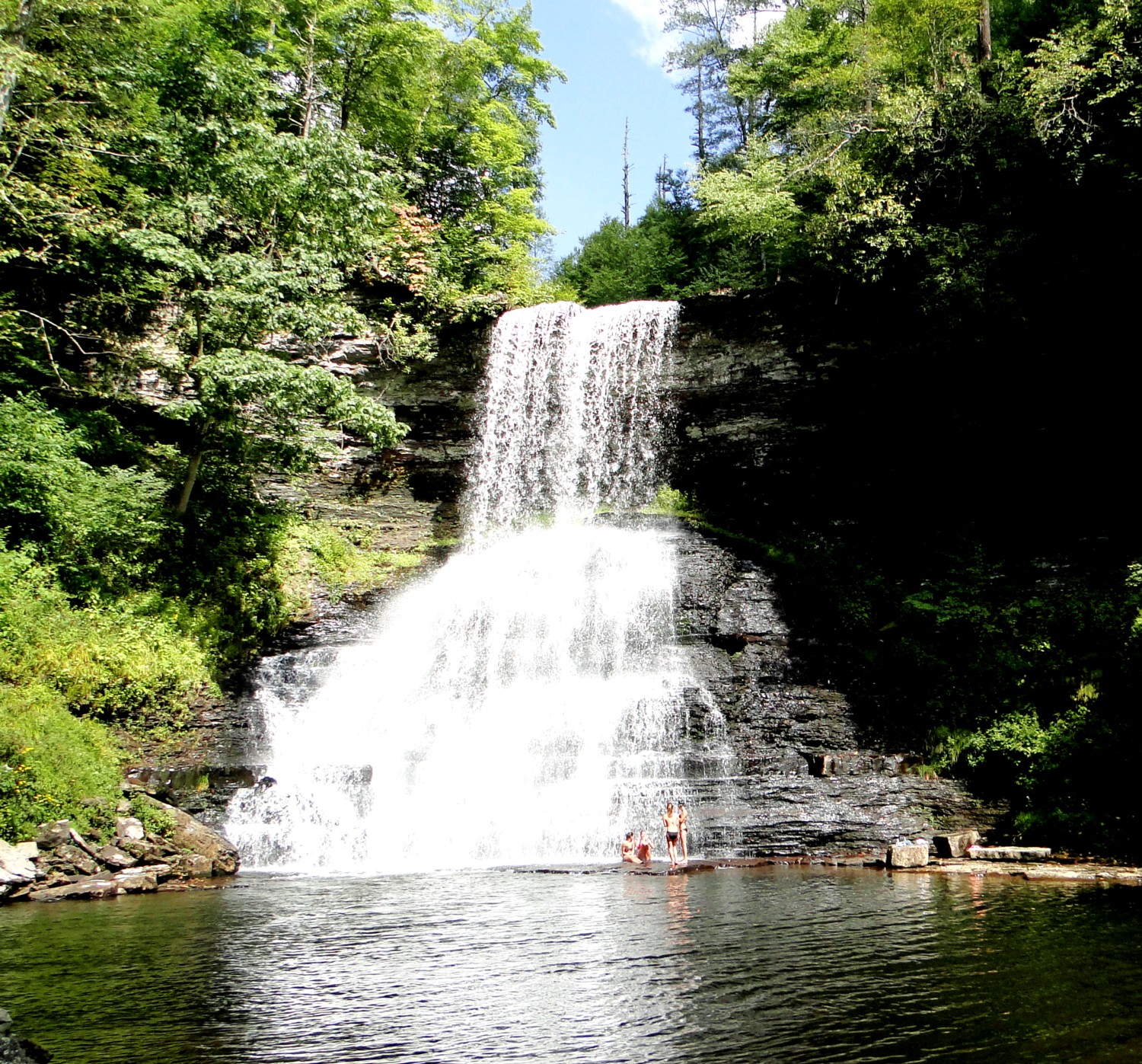
After two miles, we approach the 60 foot waterfall.


The Cascades are a favorite of locals including these Virginia Tech students swimming near the falls.  

The two mile hike back to the parking lot is mostly downhill and flat so it goes quickly.  It's great to have such a nice trail only a few miles from our home.

Wednesday, November 18, 2009

Fern Driveway, Milkweed, and Native Bees

It's a rainy cool Wednesday so thought I'd post some photos from the last two weeks.


Christmas Ferns November 6, 2009

Once the leaves fall, the Christmas Fern (Polystichm acrostichoides) is more noticeable since it stays green all winter (perhaps accounting for its common name).


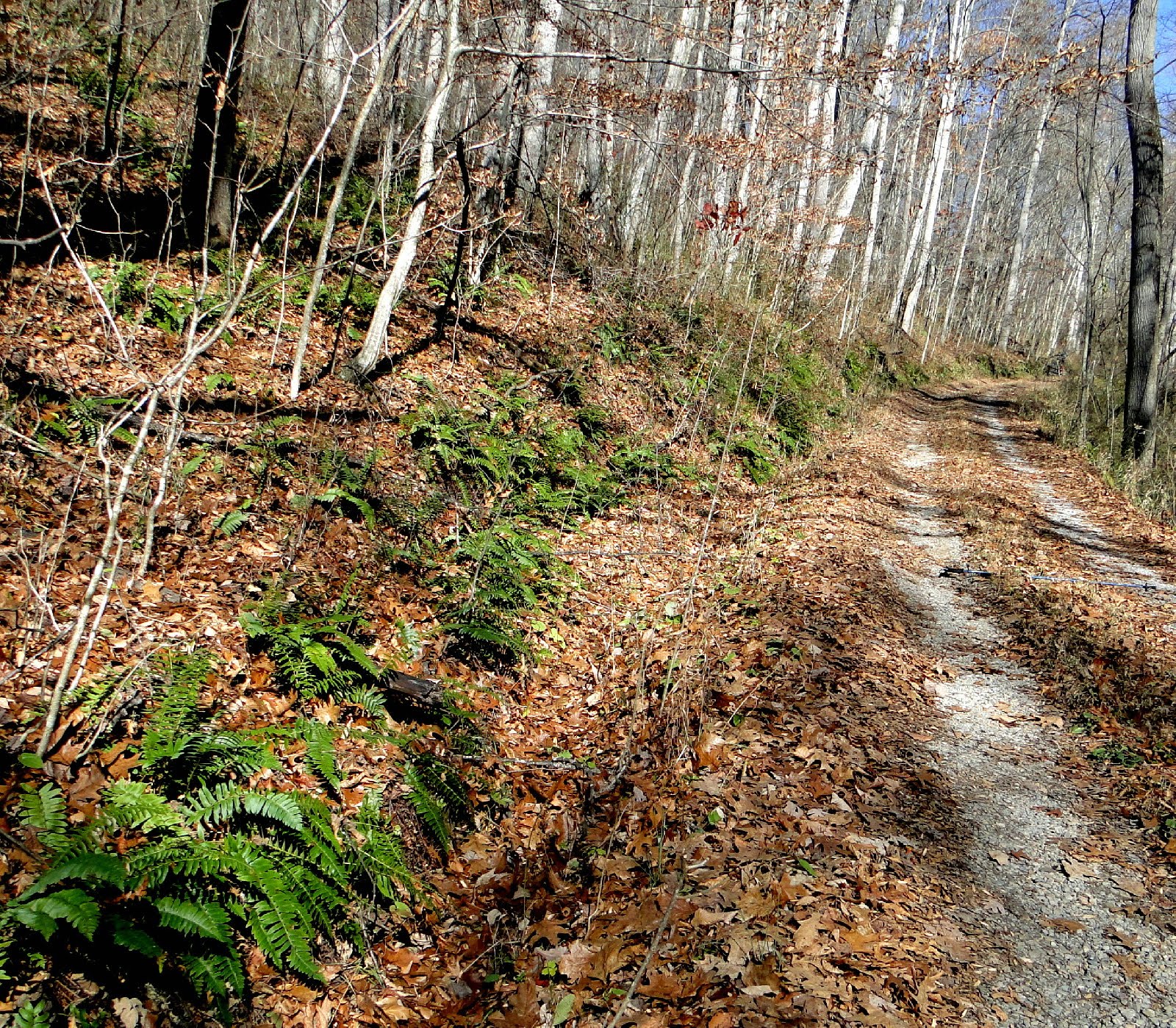
This slope along our driveway used to be red clay before the ferns colonized it. I try to keep it in ferns by pulling out the multi-flora rose.


Common Milkweed November 6, 2009


There seems to be more milkweed along our road this year, all the better for the monarchs. Maybe it has something to do with the state budget cuts--less mowing. I wish they wouldn't spray or mow the roadsides--maybe just cut the tree saplings every few years. The insects would appreciate that.


The pods open up in October and were still opening up this week.


Carpenter Bee November 16, 2009

The temperature was in the 70s for several days so bees were still out. The only blooms I noticed were on this heather shrub (usually blooming in late February). Sweat and carpenter bees were seen on the tiny flowers. The carpenter bee does hibernate in the winter so he or she must have been trying to warm up before crawling back into their hole (probably in our house's siding).

I won't probably be getting out too much until after Thanksgiving--it's the deer firearms season. I read this morning that a Ferrum College student was killed by a hunter only one mile from campus. I wear blaze orange anywhere outside (unless I'm in town). While most hunters are responsible, it only takes one reckless person to create a tragedy.

Sunday, May 24, 2009

Rainy Days Bring May Treasures


The base of this oak tree in our woods is always covered with Christmas ferns and moss. After several rainy days, it's perfect.


The rains also bring out the box turtles. This one was trying to cross the road so my husband brought him up on our land where he stayed for awhile, then went back down to the road again.


Another common sight after any rain is the toad, like this one on our deck.

Our yard was covered with Buttercups. I hesitated to mow but finally broke down and mowed for the first time in early May. After one day, the buttercups popped up again, just shorter. I also let the dandelions grow since I noticed my honey bees like to work them.


Here, my dog Kookie (all 86 pounds of her) runs through the back pasture which was covered with buttercups up until this week.


This Columbine was also blooming in early May although this wildflower prefers rocky, dry soils unlike the buttercup which likes moist soil.


May is not complete without a photo of the Wild Geranium, here with a pollinating fly or bee and another getting ready to land.


I have been looking forward to seeing the Black Locust tree bloom this year because beekeepers said that honey bees feed on the nectar. I did not see any honey bees on this tree even though it is only about 10 feet from my hive. The smell of the blossoms is so sweet I don't see how my bees could miss it. Perhaps they went to larger trees which were also covered with blossoms. However, other pollinators were abundant including bumble, carpenter and several other types of bees along with butterflies. Ants and beetles were roaming the twigs and leaves, making for a very active tree.